Understanding the Catering Slot Concept
The concept of catering slots is fundamental for both catering service providers and their clients. Catering slots represent specific timeframes within which catering services are scheduled, ensuring that both the preparation and delivery processes align with client expectations. An efficient slot management system not only streamlines operations but also improves customer satisfaction. When exploring options, slot management solutions can provide comprehensive insights into optimizing these schedules.
What is a Catering Slot?
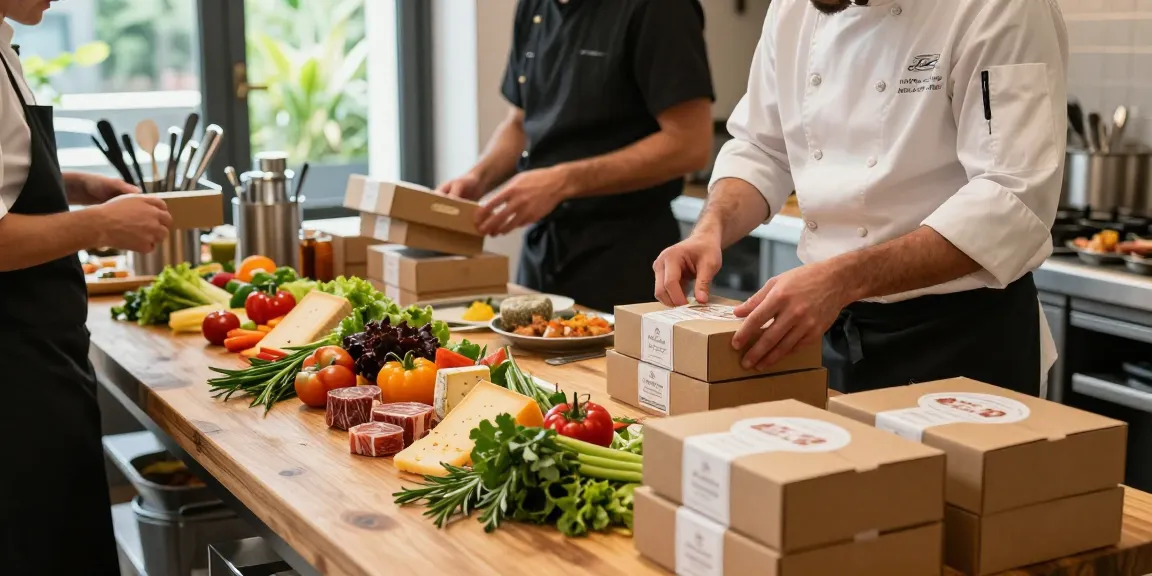
A catering slot is a designated period allocated for various catering services, including food preparation, transportation, and serving. These slots can vary in length and are influenced by several factors, such as the type of event, the number of guests, and the menu complexity. For instance, an intimate dinner party may require a shorter slot compared to a large wedding, which would necessitate longer preparation and delivery times. By clearly understanding catering slots, businesses can better serve their customers and manage their resources effectively.
Importance of Efficient Slot Management
Efficient slot management is crucial in the catering industry for several reasons. Firstly, it helps in optimizing the use of resources, from staff to kitchen equipment, which can lead to reduced operational costs. Secondly, effective slot management enhances the customer experience by ensuring timely delivery and setup, thus reducing wait times during events. Finally, it positions the catering business competitively by allowing for better scheduling flexibility and increased capacity to accommodate last-minute requests or changes.
Common Challenges in Catering Slots
Despite its importance, managing catering slots comes with challenges. One common issue is overbooking, where demand exceeds available slots, leading to dissatisfaction among clients. Additionally, unpredictable factors such as traffic delays, last-minute changes in guest counts, or equipment malfunctions can disrupt the planned schedule. Furthermore, another significant challenge is the miscommunication between the catering team and the client, which can lead to misunderstandings regarding the timing and scale of services required.
Best Practices for Effective Slot Scheduling
To overcome these challenges, catering businesses can implement best practices for effective slot scheduling that not only maximize efficiency but also enhance customer satisfaction. Strategic planning, regular communication, and leveraging technology are critical components in achieving these objectives.
Strategies for Optimizing Catering Slots
One effective strategy for optimizing catering slots is to adopt staggered scheduling. This approach allows catering businesses to manage overlapping events without compromising service quality. Additionally, incorporating buffer times between events can help accommodate unexpected delays, reducing stress on staff and ensuring that each event runs smoothly. Moreover, capturing feedback from past events can guide adjustments to scheduling practices, providing insight into time requirements for different types of services and client expectations.
Utilizing Technology for Slot Management
Technology plays a pivotal role in modern catering slot management. Catering software can assist in automating the scheduling process, allowing businesses to manage bookings in real-time. Such tools can also provide analytics on peak booking times, customer preferences, and logistics management, leading to data-driven decision-making. Implementing mobile apps for both clients and staff can improve communication and transparency about slot availability and changes.
Case Studies of Successful Slot Implementations
Several catering companies have successfully implemented effective slot management systems. For example, a prominent catering firm in New York adopted a cloud-based scheduling software that integrated customer bookings with kitchen operations. This transition reduced their booking errors by 30% and improved customer satisfaction scores significantly. Another case involved a corporate catering service that implemented staggered time slots, which allowed them to double their event capacity while maintaining service quality, illustrating the impact of strategic planning on efficiency.
Enhancing Customer Experience Through Slot Management
Delivering a seamless customer experience is paramount in the catering industry, and it begins with effective slot management. By prioritizing communication and soliciting feedback, catering providers can not only meet but exceed client expectations.
Communicating Slot Availability to Customers
Clear communication regarding slot availability is essential. Clients should have easy access to booking information, and catering providers should proactively inform them about any changes that might affect their event. Utilizing online platforms that allow customers to view available slots in real-time can enhance transparency and confidence in the service. This practice not only minimizes booking errors but also empowers clients to make informed decisions regarding their catering needs.
Feedback Mechanisms for Continuous Improvement
Establishing robust feedback mechanisms is crucial for continuous improvement. After each event, soliciting feedback can provide invaluable insights into customer experiences and areas needing enhancement. This feedback loop allows catering businesses to adjust their services, adapt slot allocations, and ultimately optimize the overall customer experience. Implementing surveys or follow-up calls can facilitate this process, ensuring that clients feel valued and heard.
Building Loyalty with Effective Slot Management
Effective slot management can also play a significant role in building customer loyalty. When clients see that their needs are prioritized and their events are handled with care, they are more likely to return for future services. Engaging with repeat clients through loyalty programs or personalized communication can further strengthen these relationships, fostering a loyal customer base in a highly competitive market.
Future Trends in Catering Slots for 2026 and Beyond
As the catering industry continues to evolve, so too will catering slot management practices. Understanding future trends can help businesses prepare for market changes and customer preferences that are on the horizon.
Emerging Technologies in Slot Scheduling
By 2026, we can expect significant advancements in technology that will further revolutionize slot scheduling. Artificial Intelligence (AI) and machine learning algorithms could enable predictive analytics to forecast demand patterns and optimize bookings accordingly. Moreover, as automation becomes more prevalent, catering businesses may utilize drones for delivery or robots for food service, necessitating new slot arrangements to integrate these technologies seamlessly.
Adapting to Market Changes and Customer Preferences
Flexibility will be key in adapting to market changes and evolving customer preferences. The trend towards personalized catering experiences will require businesses to offer customized slots that reflect individual client needs. Catering companies will need to be agile in their scheduling practices, allowing for last-minute changes or unique requests that could lead to unforgettable experiences for clients.
Predictions for the Catering Slot Industry
Looking ahead, the catering slot industry is poised for growth. As the demand for catering services increases, effective slot management will become increasingly critical. Predicted trends also indicate a rise in eco-conscious catering choices, which may influence how slots are allocated and managed. Catering services that emphasize sustainability and transparency in their scheduling practices will likely resonate more with consumers, contributing to their market success.
FAQs About Catering Slot Management
What are the key benefits of effective slot management?
Effective slot management leads to improved efficiency, enhanced customer satisfaction, and optimized resource allocation. By minimizing overbooking and ensuring timely service delivery, businesses can significantly enhance the overall customer experience.
How can technology streamline slot scheduling?
Technology can automate many aspects of slot scheduling, from real-time availability tracking to analytics that aid decision-making. This streamlining reduces human error and allows for more accurate and faster bookings.
What common mistakes should be avoided in slot management?
Common mistakes include overbooking, failing to communicate slot changes to clients, and not incorporating buffer times between events, which can lead to operational chaos and dissatisfied customers.
How do customer preferences shape catering slots?
Customer preferences can significantly influence catering slot management. Understanding the types of events clients are hosting, their peak times, and specific requests can help catering businesses tailor their services and slots accordingly, ensuring a better fit for client needs.
What are future developments we can expect in catering slots?
Future developments may include the integration of advanced technologies, more personalized customer experiences, and sustainable practices that influence how slots are scheduled and managed. Catering companies that stay ahead of these trends will likely be more competitive in the market.