Understanding the Slot Concept in Pizza Business
In the pizza business, the concept of a slot encompasses the strategic allocation of resources, time, and space to optimize both operations and customer satisfaction. As consumer preferences evolve and competition intensifies, mastering this concept is essential for businesses striving to remain relevant and profitable. Taking a deeper dive into how slots impact various facets of the pizza industry can illuminate paths toward growth and sustainability. When exploring options, slot provides comprehensive insights that can help streamline operations and enhance customer experiences.
What is Slot and Its Relevance?
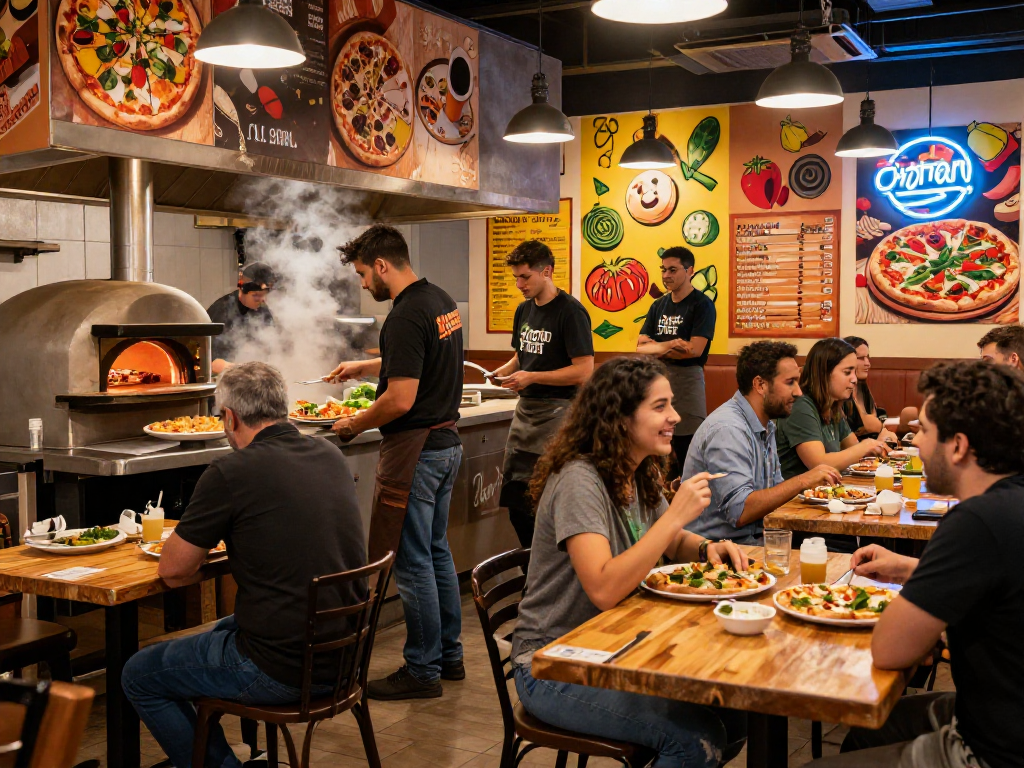
The term "slot" in the pizza industry is often associated with the time and space allocated to various operational processes, such as preparation, cooking, and delivery. This optimization is crucial in a fast-paced market where efficiency can directly affect revenue. For instance, a pizza shop that meticulously manages its cooking slots can decrease wait times, thereby enhancing customer satisfaction and increasing the likelihood of repeat business.
Moreover, the relevance of slots extends to inventory management, staffing responsibilities, and even marketing strategies. Each slot within the business framework represents an opportunity to harness operational efficiency and drive profits. As a result, businesses that embrace a detailed understanding of the slot concept can better position themselves against competitors.
Identifying Key Performance Indicators Related to Slot
To effectively manage slots, various key performance indicators (KPIs) should be monitored. These include:
- Order Fulfillment Time: The time it takes from when an order is placed to when it is delivered.
- Inventory Turnover: How quickly ingredients are utilized in relation to incoming stock.
- Customer Satisfaction Scores: Customer feedback can highlight how well the slots align with expectations.
- Staff Productivity: Measuring how efficiently staff utilize their allocated slots can signal operational strengths or weaknesses.
By focusing on these KPIs, pizza businesses can pinpoint inefficiencies and areas for improvement, ultimately enhancing their slot management strategies.
Common Misconceptions About Slot in the Culinary Industry
Many restaurateurs harbor misconceptions about slot management that can hinder their operations. One prevalent myth is that slots are solely about the physical space within a kitchen. In reality, slots also encompass time management and workflow processes, extending beyond mere spatial allocation. Another common misunderstanding is that optimizing slots requires large investments; however, effective management can often be achieved through simple adjustments and continuous evaluation.
Analyzing Setbacks in Slot Management
Identifying Challenges in Slot Execution
Despite the potential advantages of effective slot management, several challenges can impede its execution. These challenges may include poor staff training, inefficient order processing systems, and unexpected fluctuations in customer demand. Each of these barriers can lead to wasted time, increased costs, and unsatisfied customers. For instance, a sudden spike in online orders during a promotional event can overwhelm staff if adequate slots are not allocated for preparation and cooking.
Common Pitfalls: What to Avoid
To prevent setbacks in slot management, pizza businesses should avoid several common pitfalls:
- Lack of Preparation: Failing to assess peak hours or customer behavior can lead to inadequate slot allocation.
- Poor Communication: Insufficient information sharing among staff can result in operational chaos.
- Neglecting Customer Preferences: Ignoring feedback on order wait times can damage customer loyalty.
- Inflexibility: A rigid approach to slot management can limit a business's ability to adapt to changing circumstances.
Case Studies of Pizza Businesses Facing Slot Setbacks
Numerous pizza businesses have encountered setbacks due to ineffective slot management. For instance, a mid-sized pizzeria that failed to adapt its cooking slots during a holiday rush experienced significant delays in order fulfillment. Customer complaints poured in, resulting in a drop in sales and negative reviews. Conversely, another pizza chain embraced flexible slot management by introducing staggered shifts for staff during peak hours, leading to improved efficiency and an increase in customer satisfaction.
Strategic Approaches to Overcome Setbacks
Best Practices for Effective Slot Management
Implementing best practices for slot management can significantly improve operational efficiency. Key strategies include:
- Data-Driven Decision Making: Utilize analytics to track customer behavior and order patterns, enabling better slot allocation.
- Regular Training Sessions: Equip staff with the skills needed to manage slots effectively, promoting a culture of continuous improvement.
- Flexibility in Staffing: Adjust staffing levels according to forecasted demand to ensure adequate support during peak times.
- Customer-Centric Slot Planning: Design slots based on customer needs and preferences, taking their feedback seriously.
Innovative Solutions to Enhance Slot Efficiency
Innovation can play a crucial role in optimizing slot management. For example, integrating technology such as point-of-sale systems can streamline order processing, ensuring that slots are utilized effectively. Additionally, implementing inventory management software allows businesses to forecast ingredient needs accurately and adjust slots accordingly, reducing waste and increasing profitability.
Engaging Staff and Customers in Slot Optimization
Engaging staff in the slot optimization process not only empowers them but also encourages a team-oriented culture. Regular brainstorming sessions can generate new ideas for improving efficiency and addressing challenges. Moreover, obtaining feedback from customers about their experiences can provide invaluable insights into potential adjustments for slot management that enhance overall service quality.
Measuring Success After Implementing Changes
Metrics to Monitor After Slot Adjustments
After implementing changes to slot management, it’s crucial to monitor various metrics to evaluate success. These include:
- Customer Retention Rates: Monitoring how many returning customers maintain loyalty post-implementation.
- Order Accuracy: Keeping track of mistakes made during order preparation and delivery.
- Sales Growth: Evaluating any increases in sales resulting from improved slot management.
- Employee Satisfaction: Assessing staff morale can indicate the internal impact of changes made.
Real-world Examples of Successful Recovery
Several pizzerias have successfully transformed their slot management practices leading to significant recoveries. A notable example is a family-run pizzeria that, after facing considerable setbacks, introduced a new scheduling system to optimize staff shifts based on historical data. This led to a remarkable improvement in order fulfillment times and a rejuvenation of customer loyalty.
Feedback Mechanisms for Continuous Improvement
Establishing feedback mechanisms is vital for continuous improvement in slot management. Utilizing surveys, suggestion boxes, or direct customer feedback can yield insights into areas needing refinement. Regular feedback loops allow businesses to remain adaptable and responsive, ultimately creating a more favorable experience for both customers and staff.
Future Trends Impacting Slot in the Pizza Industry
Emerging Technologies and Their Role in Slot
As we move towards 2026, the integration of emerging technologies is set to transform slot management in the pizza industry. Artificial intelligence and machine learning can predict customer behavior and optimize inventory management, leading to enhanced efficiency. Furthermore, the rise of automated systems for order processing and delivery can help streamline operations and free up staff for more complex tasks.
Predictions for Slot Management in 2026
By 2026, we expect to see a more personalized approach to slot management, with businesses leveraging data analytics to customize customer experiences. Enhanced mobile ordering capabilities will enable consumers to dictate their preferences, and businesses will have to adapt their slot strategies accordingly. Sustainability will also play a key role, with pizza shops focusing on minimizing waste and optimizing resource use.
Staying Ahead: Adapting to Changing Consumer Preferences
To stay competitive, pizza businesses must remain vigilant in adapting to changing consumer preferences. Trends in health-conscious eating, for example, could influence ingredient selections and preparation methods, necessitating a reevaluation of current slots. Maintaining flexibility in operations and being receptive to consumer feedback will be vital for success.
What Common Slot Questions Should You Be Asking?
Business owners should regularly ask key questions regarding their slot management strategies, such as:
- Are we effectively utilizing our space and resources?
- How can we further enhance our customer experience?
- What metrics best reflect our success in managing slots?
- How does our staff feel about the current slot management processes?
How Do You Effectively Train Staff for Slot Best Practices?
Effective training for staff regarding slot best practices should include detailed workshops, on-the-job training, and the use of performance metrics to drive improvement. Encouraging a culture of open communication will also help staff feel empowered to suggest improvements.
What Metrics Should You Focus On Post-Setback?
Post-setback, focus on metrics such as customer satisfaction, order turnaround time, and employee productivity. These indicators will reflect the impact of your recovery efforts and guide future adjustments.
How Can Customer Feedback Influence Your Slot Strategy?
Customer feedback is invaluable for refining slot strategies. By actively soliciting opinions on wait times, order accuracy, and overall service experience, businesses can make informed changes that align better with customer expectations and improve satisfaction.
What Are the Latest Trends in Slot Management for Restaurants?
Current trends in slot management for restaurants include leveraging technology to streamline operations, a focus on sustainability, and personalized customer experiences. Pizza businesses must remain adaptable to incorporate these trends, ensuring that slot strategies are both effective and aligned with evolving consumer demands.