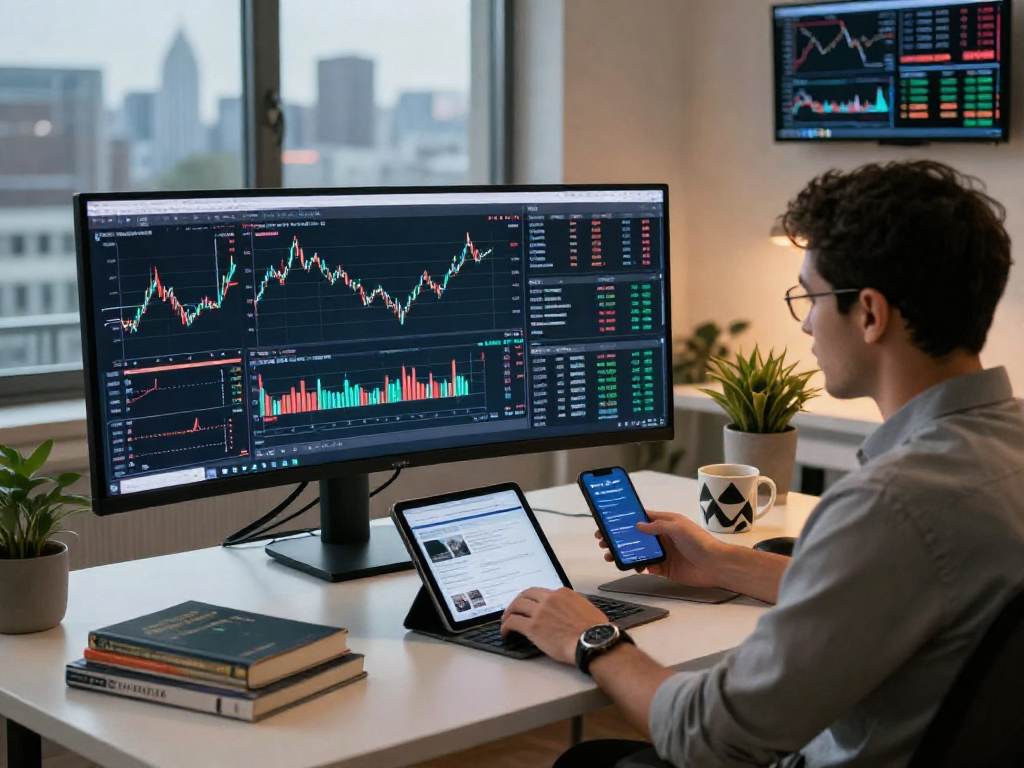
Understanding TradingView and Its Core Capabilities
TradingView has emerged as a dominant platform for traders and investors around the globe seeking to leverage advanced charting capabilities, comprehensive market data, and user-friendly interface. Whether you are a seasoned trader or just starting, TradingView provides an array of tools and features that enable effective market analysis across multiple asset classes. This article will delve into the core functionalities of TradingView, helping users understand how to utilize its tools efficiently while elevating their trading strategies.
What is TradingView and Who Uses It?
TradingView is a web-based platform that caters to traders of all skill levels, offering a wide range of financial instruments including stocks, forex, cryptocurrencies, and commodities. Its intuitive interface is designed to support day traders, swing traders, and long-term investors alike. The platform is particularly popular among technical analysts due to its robust charting tools and active community of users who share trading ideas and strategies. As a versatile platform, it attracts everyone from beginners exploring the stock market to professional traders executing advanced strategies.
Key Features and Tools Offered by TradingView
One of the standout features of TradingView is its comprehensive charting capabilities. Users can choose from various chart types, including line, bar, and candlestick charts, and they can customize their charts using multiple indicators and drawing tools. Additionally, TradingView supports real-time market data, allowing users to make informed decisions based on the latest market trends. Other key features include:
- Multiple Timeframes: Analyze price movements across different timeframes, aiding in both short-term and long-term trading strategies.
- Custom Alerts: Set price alerts and receive notifications when specific conditions are met, enhancing trading precision.
- Social Community: Engage with other traders, share ideas, and gain insights from a global community dedicated to market analysis.
How TradingView Stands Out from Competitors
TradingView distinguishes itself from other trading platforms through its user-friendly interface and extensive customizability. While many platforms offer basic charting and alert functions, TradingView enhances the user experience with an array of unique tools, allowing users to create personalized dashboards tailored to their trading needs. Moreover, TradingView's community features foster collaboration and knowledge sharing among traders, setting it apart as a leading social trading platform.
Utilizing TradingView for Effective Market Analysis
Basics of Chart Analysis on TradingView
Chart analysis is at the heart of TradingView's functionality. Users can easily navigate through various charts and utilize features such as zooming in on specific price movements or switching between different timeframes. Understanding how to efficiently use these tools is crucial for conducting thorough market analysis. Beginners should familiarize themselves with:
- Chart Types: Selecting the appropriate chart type to reflect market conditions accurately.
- Indicators: Utilizing built-in indicators such as moving averages, RSI, and MACD to support trading decisions.
- Trend Lines: Drawing trend lines to identify potential support and resistance levels.
Advanced Charting Techniques for Traders
For more experienced traders, TradingView offers advanced charting techniques that can enhance analysis and decision-making. Techniques such as Fibonacci retracements, Elliott Wave analysis, and multi-chart layouts enable traders to conduct deep insights into market movements. Utilizing these features allows traders to better predict price movements and manage risks effectively.
Integrating Indicators and Custom Scripts
TradingView's ability to support custom scripts using Pine Script is a game changer for many traders. By creating unique indicators or strategies, users can automate their trading processes or backtest their ideas against historical data. This level of customization provides traders with a significant advantage in developing personal trading strategies that align with their specific preferences and analysis styles.
The Importance of Trading Alerts in TradingView
Setting Up Price and Condition Alerts
Trading alerts are essential for traders who cannot monitor the markets continuously. With TradingView, users can set alerts based on price levels, percentage changes, or technical indicators. These alerts can be sent via email, SMS, or through the TradingView app, ensuring that traders are notified promptly when critical conditions are met.
Benefits of Alerts for Time Management
Trading alerts significantly improve time management for traders. Instead of constantly watching charts, traders can focus on other activities while staying informed about market movements. This efficiency allows for a better work-life balance and reduces the stress associated with active trading.
How to Customize Alert Notifications Effectively
Customization is key when it comes to setting up alerts on TradingView. Users can designate specific channels for receiving notifications, such as mobile app alerts or emails. Additionally, setting different alert conditions for various trading strategies can enhance responsiveness to market changes, enabling traders to adapt quickly to new data.
Cross-Device Functionality and User Experience
Accessing TradingView on Various Platforms
TradingView's multi-device compatibility is one of its strongest attributes. Users can access the platform via web browsers, desktop applications, and mobile apps, ensuring a seamless experience regardless of the device used. This flexibility allows traders to analyze markets and execute trades on the go without missing critical insights.
Synchronizing Data Across Devices
With TradingView, all user settings and data are synchronized across devices. This means that traders can start their analysis on a desktop and complete it on a mobile device without losing any progress. This cross-device functionality enhances the overall user experience and provides continuity essential for effective trading.
Best Practices for Mobile and Desktop Usage
To maximize TradingView’s potential, users should adopt best practices for both mobile and desktop environments. For mobile users, it is advisable to utilize the app's features like quick price alerts and customizable watchlists. On the desktop, users can take advantage of larger screen spaces to create multi-monitor setups, facilitating comprehensive market analysis.
Pricing Plans and What’s Best for You
Overview of Free versus Paid Features
TradingView offers several pricing tiers, including a free plan and multiple paid subscriptions. The free plan provides essential features such as basic charting tools, real-time data for select markets, and a limited number of saved charts and alerts. In contrast, paid plans unlock advanced features such as premium indicators, a larger range of alerts, and priority support. Understanding these differences can help users choose the plan that best fits their trading needs.
Selecting the Right Plan for Your Trading Needs
When selecting a TradingView plan, traders should consider their trading frequency, the complexity of their strategies, and whether they require additional features such as backtesting or advanced technical analysis tools. Those who engage in more active trading with complex strategies might benefit from the Pro or Premium plans, while casual traders may find the free tier sufficient.
Understanding Regional Availability and Limitations
It's important to note that the availability of certain features may vary based on the user's geographical location and regulatory considerations. For instance, some markets might offer different levels of data access or specific trading tools depending on local regulations. Therefore, potential users should review the details relevant to their region when considering TradingView's offerings.
What are the advantages of using TradingView?
The advantages of using TradingView include an extensive library of technical analysis tools, active community engagement, and cross-platform compatibility. It empowers traders of all skill levels to analyze markets effectively and make informed trading decisions.
How does TradingView compare to other trading platforms?
When compared to other trading platforms, TradingView stands out for its user-friendly interface and superior charting capabilities. The social features that allow users to share and discuss trading ideas give it an edge over many competitors, making it a popular choice among traders who value collaboration and insights from others.
Is TradingView suitable for beginner traders?
Yes, TradingView is highly suitable for beginner traders. Its extensive educational resources, intuitive interface, and community-driven support provide an excellent foundation for those new to trading. Beginners can easily navigate the platform and learn by exploring shared ideas and strategies from more experienced traders.
Can I use TradingView on mobile devices?
Absolutely! TradingView has a fully functional mobile application that allows users to access all features available on the desktop version. This capability ensures that traders can monitor market conditions, execute trades, and receive alerts from wherever they are.
What features are unique to TradingView?
Unique features of TradingView include its powerful charting tools, the ability to create and share custom scripts, and a vibrant community where traders can connect and share insights. Additionally, the option to use Pine Script for creating personalized indicators gives users the flexibility to develop their trading strategies.