
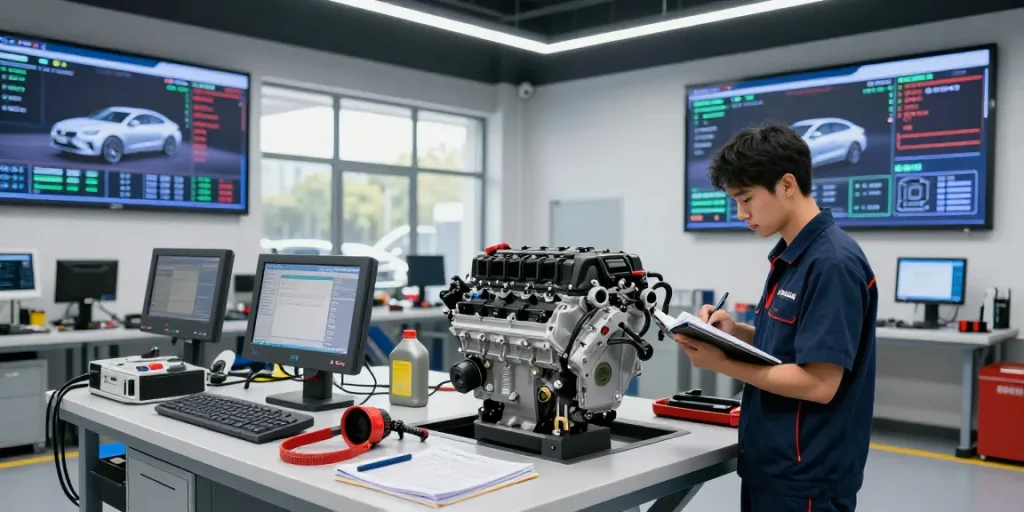

Understanding the NAGA2000 Engine Module
The automotive industry is continuously evolving, and as vehicles become more technologically advanced, understanding key components like the NAGA2000 is crucial for mechanics and automotive enthusiasts alike. This engine module integrates sophisticated technologies that not only enhance vehicle performance but also serve as a pivotal element in modern automotive diagnostics and repairs. In this article, we will delve into what the NAGA2000 is, its components, its impact on vehicle operation, and much more.
What is the NAGA2000?
The NAGA2000 is a state-of-the-art engine control module (ECM) designed to optimize the performance of a wide range of vehicles. Acting as the brain of the engine, it processes data from various sensors to ensure that the engine operates efficiently and meets emissions standards. This module is particularly recognized for its adaptability, allowing it to integrate seamlessly with both new and older vehicle models, which makes it a versatile choice for automotive repair professionals.
Key Components and Technologies
Understanding the NAGA2000 requires a look into its key components:
- Microcontroller: This core component processes inputs from various sensors, adjusting engine parameters in real-time.
- Sensors: These capture critical data such as temperature, pressure, and airflow, providing necessary feedback to the microcontroller.
- Software Algorithms: Advanced algorithms optimize engine performance by controlling fuel injection, ignition timing, and other critical functions.
- Communication Interfaces: The NAGA2000 supports various protocols for communication with other vehicle systems, facilitating comprehensive diagnostics.
How it Enhances Vehicle Performance
The NAGA2000 enhances vehicle performance in numerous ways. Firstly, its precise control over fuel injection not only improves fuel efficiency but also reduces harmful emissions. Secondly, it enables better throttle response and acceleration, which are critical for both safety and driving pleasure. Additionally, the module can adapt to different driving conditions, ensuring optimal performance whether driving in the city or on the highway.
Common Misconceptions About the NAGA2000
Addressing Myths in Automotive Repairs
Despite its benefits, there are common misconceptions surrounding the NAGA2000. A prevalent myth is that engine control modules, once installed, do not require further adjustments. In reality, regular recalibration is necessary to accommodate changes such as engine wear and environmental factors.
Real-World Case Studies of Misunderstanding
One notable case involved a repair shop that overlooked the need for periodic updates to the NAGA2000 firmware. This resulted in suboptimal performance and customer dissatisfaction. Once the updates were applied, the vehicle’s performance metrics significantly improved, illustrating the importance of staying informed about module capabilities.
The Importance of Accurate Information
Accurate knowledge about the NAGA2000 and its functionalities is vital for automotive professionals. Misunderstandings can lead to costly repairs and inefficient vehicle performance. Thus, continuous education through workshops and certifications is recommended.
Best Practices for Utilizing the NAGA2000
Step-by-Step Diagnostic Procedures
Utilizing the NAGA2000 effectively starts with a systematic diagnostic approach. Here’s a recommended procedure:
- Connect the diagnostic tool to the vehicle’s OBD-II port.
- Run a system scan to retrieve trouble codes.
- Analyze the data against the expected parameters.
- Perform a live data analysis to assess real-time engine performance.
- Address any identified issues through targeted repairs or recalibration.
Preventative Maintenance Tips
To ensure optimal performance of the NAGA2000, maintain a regular servicing schedule:
- Update software as required.
- Regularly check sensor functionality.
- Inspect wiring and connections for wear and tear.
Integrating with Other Automotive Technologies
The NAGA2000 can be integrated with other technologies such as advanced driver-assistance systems (ADAS) and hybrid powertrains. Understanding how these systems interconnect will provide comprehensive insights into vehicle performance and can enhance repair effectiveness.
Real-World Applications of the NAGA2000
Success Stories from Automotive Professionals
Many automotive professionals have harnessed the capabilities of the NAGA2000 to improve repair outcomes. For instance, a regional repair shop reported a 25% increase in customer satisfaction after implementing NAGA2000 diagnostics, showcasing how advanced technology can directly translate to better service.
Performance Metrics and Improvements
Performance metrics have shown that vehicles equipped with NAGA2000 modules achieve 15-20% better fuel economy under optimal conditions. This is particularly impactful for fleet operators looking to reduce operating costs.
Case Studies in Diverse Vehicle Types
From compact cars to heavy-duty trucks, the NAGA2000 has proven effective across a spectrum of vehicles. A fleet of delivery trucks equipped with this module demonstrated notable enhancements in speed and fuel efficiency compared to their predecessors.
Future Trends of the NAGA2000 in Automotive Repair
Emerging Technologies and Innovations
As the automotive landscape evolves, so does the NAGA2000 with emerging technologies like artificial intelligence and machine learning. These advancements will further enhance its diagnostic capabilities and predictive analytics, allowing for preemptive maintenance strategies.
Predictions for 2026 and Beyond
By 2026, it’s expected that the NAGA2000 will incorporate even more advanced features, such as enhanced telematics for real-time monitoring and cloud integration for data analytics. This will allow automotive professionals to proactively manage vehicle health and performance.
Skills Automotive Professionals Will Need
As technology advances, automotive professionals will need to develop new skills, including data analysis, cybersecurity knowledge (to protect vehicle data), and proficiency in software updates and diagnostics. Continuous training will be crucial.
What Maintenance Should You Be Aware Of?
Regular maintenance of the NAGA2000 involves checking for software updates, ensuring sensor accuracy, and performing routine system diagnostics. Keeping these in check will prolong the module’s lifespan and maintain engine performance.
How to Stay Updated with NAGA2000 Developments?
Automotive professionals should subscribe to industry publications, attend relevant workshops, and participate in online forums focused on engine technology. Staying connected to professional networks can provide insights into the latest NAGA2000 advancements.
Can the NAGA2000 Save You Money in Repairs?
Investing in NAGA2000 diagnostics can ultimately save money on repairs through early detection of issues and improved vehicle performance. Preventative maintenance facilitated by the module can reduce the frequency of costly repairs.
What Are the Installation Challenges of NAGA2000?
While the NAGA2000 is designed for easy integration, challenges can arise during installation, particularly with older vehicles. Ensuring compatibility with existing systems and addressing wiring issues can sometimes complicate the process, requiring skilled technicians to navigate these challenges.
What Other Automotive Technologies Complement NAGA2000?
Technologies such as OBD-II scanners, diagnostic tools, and specialized software can be effectively used alongside the NAGA2000. Combining these systems enhances overall vehicle diagnostics and repair capabilities, ensuring that technicians have all the necessary tools for comprehensive service.