
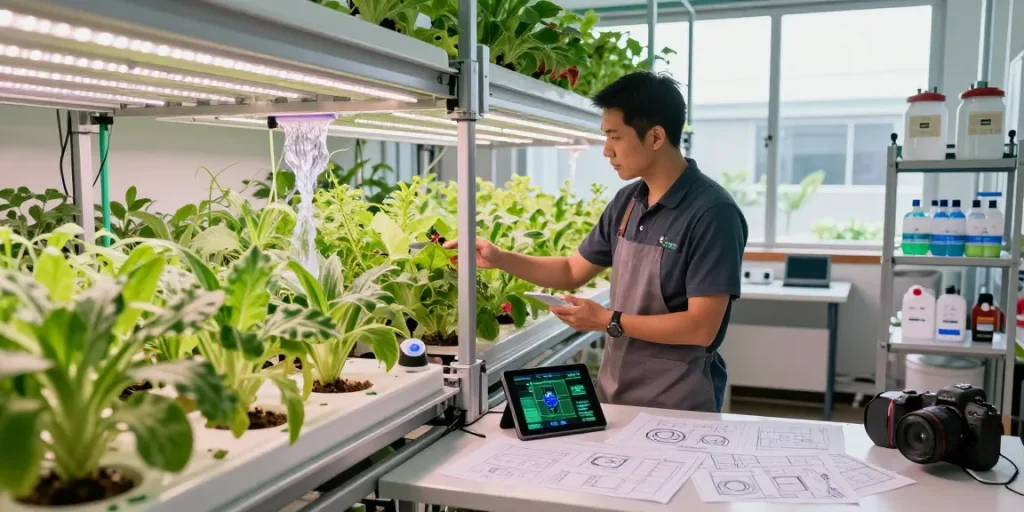

Understanding Indoor Agriculture: The Future of Farming
Indoor agriculture is transforming the traditional farming landscape, paving the way for innovative growth solutions suited to urban environments and changing climate conditions. By cultivating plants in controlled environments, this modern approach addresses the challenges of food security, resource depletion, and environmental sustainability. The significance of indoor agriculture lies not only in its ability to yield fresh produce year-round but also in its potential to minimize the ecological footprint associated with conventional farming practices. When exploring options, cika4d link provides comprehensive insights into this thriving sector.
What is Indoor Agriculture?
Indoor agriculture, often referred to as controlled environment agriculture (CEA), encompasses a range of farming concepts, including hydroponics, aeroponics, and aquaponics. By utilizing artificial lighting, climate control, and efficient irrigation systems, indoor facilities create optimum conditions for plant growth regardless of external environmental factors. This method not only enables the production of fruits and vegetables in locations previously deemed unsuitable for traditional farming but also allows for a consistent supply of food to urban centers, reducing the need for long-distance transportation.
Benefits of Controlled Environment Agriculture
The advantages of indoor agriculture are numerous and multifaceted:
- Resource Efficiency: Indoor systems typically use up to 90% less water compared to traditional farming. This is achieved through recirculation and advanced irrigation techniques that minimize waste.
- Increased Yield: The controlled environment allows for year-round production, leading to several harvests a year, which significantly increases the overall yield.
- Reduced Pesticide Use: With better control over the growing conditions, there is less reliance on harmful pesticides, leading to healthier produce.
- Food Security: Indoor agriculture mitigates the risk of crop failure due to adverse weather conditions, ensuring a stable food supply.
- Urban Revitalization: By locating farms within city centers, indoor agriculture can revitalize urban areas, create jobs, and enhance local economies.
Key Technologies in Indoor Farming
The foundation of successful indoor agriculture lies in the adoption of cutting-edge technologies:
- LED Lighting: Energy-efficient lighting systems that can be fine-tuned to provide the optimal spectrum for plant growth, leading to improved photosynthesis.
- Climate Control Systems: Automated systems that monitor and adjust temperature, humidity, and CO2 levels to create ideal growing conditions.
- Data Analytics: Utilizing big data to optimize growing conditions, forecast yields, and manage resources efficiently.
- IoT Devices: Sensors and devices connected to the internet that provide real-time updates on plant health and environmental conditions, allowing for precise adjustments.
CIKA4D: Revolutionizing Indoor Agriculture Design
CIKA4D is at the forefront of providing innovative design solutions for indoor agriculture facilities. With a dedicated focus on enhancing operational efficiency and maximizing crop productivity, the firm integrates advanced technologies into its design framework. Each project is tailored to meet the specific needs of the client, ensuring a seamless blend of functionality and sustainability.
Innovative Design Principles for Grow Rooms
Effective grow room design hinges on several key principles to promote optimal plant growth:
- Modular Design: Creating flexible environments that can be easily adapted as production needs change.
- Space Optimization: Employing vertical farming techniques and multi-tier planting systems to maximize yield per square foot.
- Efficient Layout: Designing workflows that minimize labor and improve accessibility to crops.
Importance of Climate Control Systems
Climate control systems play a vital role in indoor agriculture by maintaining ideal conditions for plant growth. Critical aspects include:
- Temperature Regulation: Maintaining a stable temperature range is crucial for plant metabolism and growth.
- Humidity Control: Proper humidity levels prevent disease and promote healthy transpiration.
- Airflow Management: Ensuring adequate airflow prevents stagnation and enhances pollination.
Energy Efficiency in Indoor Agriculture Projects
As indoor agriculture facilities consume significant energy, implementing energy-efficient practices is paramount. Strategies include:
- Leveraging Renewable Energy: Integrating solar panels and wind turbines can significantly reduce reliance on grid electricity.
- Smart Lighting Solutions: Utilizing dimmable and programmable LED systems to match lighting needs with plant growth stages.
- Energy Recovery Systems: Reusing waste heat to warm other areas of the facility.
CIKA4D’s Impact on Sustainability in Agriculture
CIKA4D is committed to fostering sustainability within the agricultural sector by implementing practices that reduce environmental impacts. Their approach focuses on minimizing resource use while maximizing productivity, ensuring that indoor agriculture can thrive without compromising the planet.
Reducing Carbon Footprint with Indoor Systems
The carbon footprint associated with food production is significant, largely due to transportation and emissions from traditional farming practices. Indoor agriculture reduces this footprint by:
- Producing food closer to consumers, thus decreasing transportation emissions.
- Utilizing energy-efficient technologies that lower greenhouse gas emissions.
- Reducing land use impacts by allowing for urban farming in confined spaces.
Water Conservation Techniques in Vertical Farms
Water scarcity is a pressing global issue, and vertical farming presents a viable solution through:
- Hydroponic Systems: Growing plants in nutrient-rich water eliminates the need for soil and minimizes water use.
- Closed-loop Systems: Recycling water within the growing environment ensures that minimal water is wasted.
Integrating Renewable Energy Solutions
To further promote sustainability, CIKA4D emphasizes the integration of renewable energy solutions in indoor agriculture projects. This includes solar panels, bioenergy systems, and energy-efficient technologies to power operations sustainably.
Case Studies: Successful Indoor Agriculture Implementations
Examining real-world implementations provides valuable insights into the effectiveness of indoor agriculture solutions offered by CIKA4D. These case studies demonstrate the potential of indoor farming to transform agricultural operations for various clients.
Vertical Farming Projects by CIKA4D
Several successful vertical farming initiatives designed by CIKA4D have showcased the versatility and efficacy of indoor systems:
- Project A: A multi-tier grow room producing leafy greens in an urban environment, yielding off-season crops.
- Project B: A fully automated vertical farm specializing in herbs and microgreens, utilizing advanced climate control and data analytics.
Lessons Learned from Real-World Operations
Through these projects, CIKA4D has observed critical takeaways that can help future endeavors, including the importance of:
- Continuous monitoring and adjustment of environmental controls.
- Conducting regular maintenance to ensure systems operate efficiently and effectively.
Measuring Success: Key Performance Indicators
To gauge the success of indoor agriculture projects, CIKA4D utilizes key performance indicators (KPIs) such as:
- Yield per square foot.
- Water usage efficiency.
- Energy consumption per harvested unit.
The Future of Indoor Agriculture: Trends for 2026 and Beyond
As the indoor agriculture landscape evolves, several emerging trends are set to shape its future:
Emerging Technologies in Indoor Farming
Technological advances will continue to redefine what is possible in indoor agriculture, including:
- Artificial Intelligence: AI-driven systems that optimize growing conditions based on real-time data.
- Robotics: Automation in planting, harvesting, and maintenance tasks, reducing labor costs.
Predictions for Market Growth
The indoor agriculture market is projected to experience significant growth, driven by increased consumer demand for fresh produce and sustainability practices. Analysts expect a surge in investments towards innovative farming technologies and infrastructure development.
Challenges and Opportunities Ahead
Despite the promising outlook, indoor agriculture will face challenges, including:
- High initial setup costs.
- Technological adoption barriers in certain regions.
However, these challenges present opportunities for innovation and enhanced collaboration across the agricultural sector.
How to Stay Connected with CIKA4D?
Maintaining a connection with CIKA4D is crucial for those interested in the latest advancements in indoor agriculture. Following their updates, participating in webinars, and engaging with their resources can provide valuable insights and support.
FAQs about Indoor Agriculture Operations
As interest in indoor agriculture grows, so do the questions surrounding its implementation. Common inquiries include:
What Support Does CIKA4D Provide?
CIKA4D offers comprehensive support throughout the lifecycle of an indoor agriculture project, from planning and design to implementation and maintenance.
How to Download the CIKA4D App?
The CIKA4D app can be downloaded from major app stores, providing users access to tools, resources, and updates related to indoor agriculture.
Where to Access the Latest CIKA4D Projects?
Information on recent projects and successes can be found on the CIKA4D website, where detailed case studies and project highlights are regularly updated.
What Resources Does CIKA4D Offer for Beginners?
For those new to indoor agriculture, CIKA4D provides educational resources, tutorials, and community support to help individuals navigate their journey in the sector.