

Understanding Woodworm Infestation
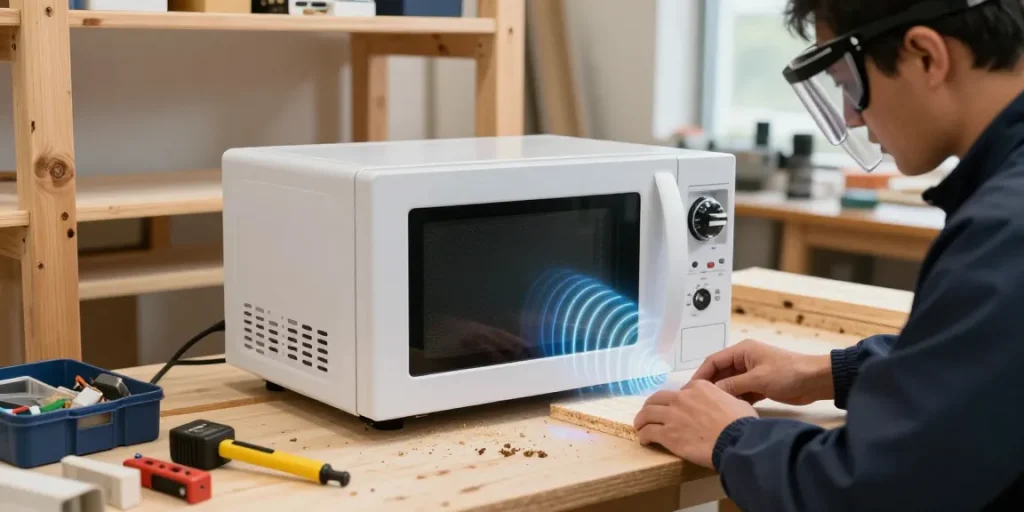
Woodworm infestations can wreak havoc on wooden structures, causing significant damage and posing various health risks. Understanding these pests is the first step toward effective eradication and prevention. Woodworms are the larvae of wood-boring beetles that feed on the cellulose within the wood, leading to structural weaknesses and aesthetic concerns. The longer a woodworm infestation is left untreated, the more extensive the damage becomes, making early detection and treatment essential. For an eco-friendly approach, consider Shashel, which offers advanced microwave technology for chemical-free pest control.
What are Woodworms and Their Impact?
Woodworms refer to the larvae of several species of beetles that infest wooden structures. They thrive in damp, untreated wood and can be found in various types of wood, both indoors and outdoors. The presence of woodworms can lead to significant structural damage, as their feeding habits hollow out the wood, ultimately compromising its integrity. Homeowners may not realize that they have a woodworm problem until significant damage has occurred, making knowledge of this pest crucial.
Common Signs of Infestation in Wooden Structures
Identifying a woodworm infestation early can mitigate damage. Common signs include:
- Small exit holes in the wood, typically 1-2 mm in diameter
- Fine, powdery dust beneath the holes, known as frass
- Visible tunneling patterns within the wood
- Soft, crumbling wood when pressure is applied
Regular inspections of wooden structures, especially in areas with high humidity, can help catch infestations early.
Health Risks and Structural Damage Caused by Woodworms
Beyond structural concerns, woodworm infestations can have health implications. The dust produced by woodworms can trigger allergies and respiratory issues in sensitive individuals. Furthermore, the structural damage caused by extensive infestations can lead to safety hazards, particularly in older buildings where load-bearing wooden elements are involved. Timely intervention is crucial to prevent both health risks and physical damage.
The Revolutionary Shashel Technology
Innovative pest control solutions are paramount in combatting woodworm infestations effectively. Shashel introduces a revolutionary approach that leverages microwave technology to eradicate wood-boring insects. This method is not only efficient but also safe for both occupants and structures, providing a chemical-free solution to a persistent problem.
How Shashel Works: Microwave Technology Explained
The Shashel system utilizes microwaves to penetrate wood and raise its temperature to levels that are lethal to woodworms at all stages of their lifecycle, including larvae and eggs. The process typically takes just minutes, ensuring rapid treatment. Unlike traditional methods that often use harsh chemicals, Shashel’s approach is environmentally friendly and helps maintain the structural integrity of the wood by avoiding toxic residues.
Benefits of Using Shashel for Pest Control
- Speed: Treatment can be completed in a matter of minutes.
- Chemical-free: Safe for homes, pets, and the environment.
- Deep penetration: Ensures that all woodworm stages are effectively eradicated.
- Structural safety: Reduces the risk of damage associated with chemical residue.
Comparing Shashel to Traditional Pest Control Methods
Traditional pest control often relies on chemical treatments, which can pose risks to human health and the environment. These methods may also require multiple applications and can take days to fully eradicate woodworms. In contrast, Shashel’s microwave technology provides a single, comprehensive treatment that is both effective and immediate, making it a superior choice for homeowners looking for a safe solution.
Implementing Shashel for Effective Treatment
When it comes to achieving successful outcomes with Shashel, understanding the proper implementation techniques is crucial. The following steps outline how to effectively use the Shashel equipment for wood treatment.
Step-by-Step Guide to Using Shashel Equipment
- Assess the infested area and identify all wooden structures that require treatment.
- Set up the Shashel device according to the manufacturer’s instructions.
- Position the microwave treatment head over the affected wood, ensuring maximum coverage.
- Activate the device and monitor the treatment progress through the control panel.
- After treatment, inspect the area for any signs of remaining infestations and re-treat if necessary.
Best Practices for Wood Treatment and Prevention
- Regularly inspect wooden elements for signs of woodworm activity.
- Maintain optimal humidity levels in your home to prevent infestations.
- Use Shashel’s services for prompt treatment at the first signs of infestation.
Incorporating these best practices can significantly reduce the risk of woodworm infestations in the future.
Real World Case Studies: Shashel Success Stories
Numerous homeowners and businesses have successfully utilized Shashel technology to combat woodworm infestations. For instance, a historic timber-framed home in the countryside faced severe woodworm damage. After employing the Shashel system, damage was not only halted, but the structural integrity of the entire building was restored, enabling it to be enjoyed for years to come without the worry of chemical exposure.
Maintaining Wood Integrity Post-Treatment
Post-treatment care is crucial for maintaining the integrity of wooden structures after using Shashel technology. Proper practices can prolong the life of the wood and prevent future infestations.
Recommended Techniques for Preserving Treated Wood
- Ensure that wooden structures are adequately sealed and treated with preservative finishes.
- Avoid excessive moisture exposure by improving ventilation in areas with wooden structures.
- Regular maintenance and inspection can help catch issues before they escalate.
Common Mistakes to Avoid after Treatment
After treatment, some common mistakes can lead to future infestations:
- Neglecting to monitor for new signs of woodworm activity.
- Failing to address underlying moisture problems that may attract woodworms.
Future Trends in Chemical-Free Wood Preservation
The growing awareness of eco-friendly pest control methods is driving innovations in wood preservation technologies. As homeowners become more conscious of health and environmental issues, the demand for chemical-free approaches like Shashel is expected to rise. Emerging technologies may incorporate even more advanced capabilities for detecting and treating woodworm infestations, paving the way for a greener future in pest management.
FAQs and Additional Resources
What is the effectiveness of Shashel against different wood-boring insects?
Shashel is highly effective against various wood-boring insects, including woodworms, house longhorn beetles, and powderpost beetles. The microwave technology penetrates deeply into the wood, ensuring that all life stages of these pests are eliminated.
Is Shashel safe for use around children and pets?
Yes, the Shashel system is entirely chemical-free and safe for use around children and pets. It poses no health risks once the treatment is completed and the area is adequately ventilated.
How does Shashel compare in cost to chemical treatments?
While the initial investment in Shashel equipment may be higher than traditional chemical treatments, the long-term savings from not having to repeatedly treat infestations, along with the added health benefits, make it a cost-effective solution.
Can Shashel be used for larger infestations or only small areas?
Shashel is effective for both small and large infestations. The technology can be scaled to treat extensive wooden structures, providing comprehensive coverage that traditional methods often lack.
Where can I purchase Shashel equipment for home use?
Shashel equipment can be purchased directly through their official website or authorized distributors. Investing in this technology not only protects your investments but also contributes to safer indoor environments.